Key Takeaways
Layer 2 networks exist because the main blockchain can get too expensive and slow for everyday trading and swaps.
Not every Layer 2 works the same – they differ in fees, safety, and how easy they are to use.
As a beginner, treat Layer 2 like a complete workflow: bridge in safely, trade smart, and always know how to get your funds out.
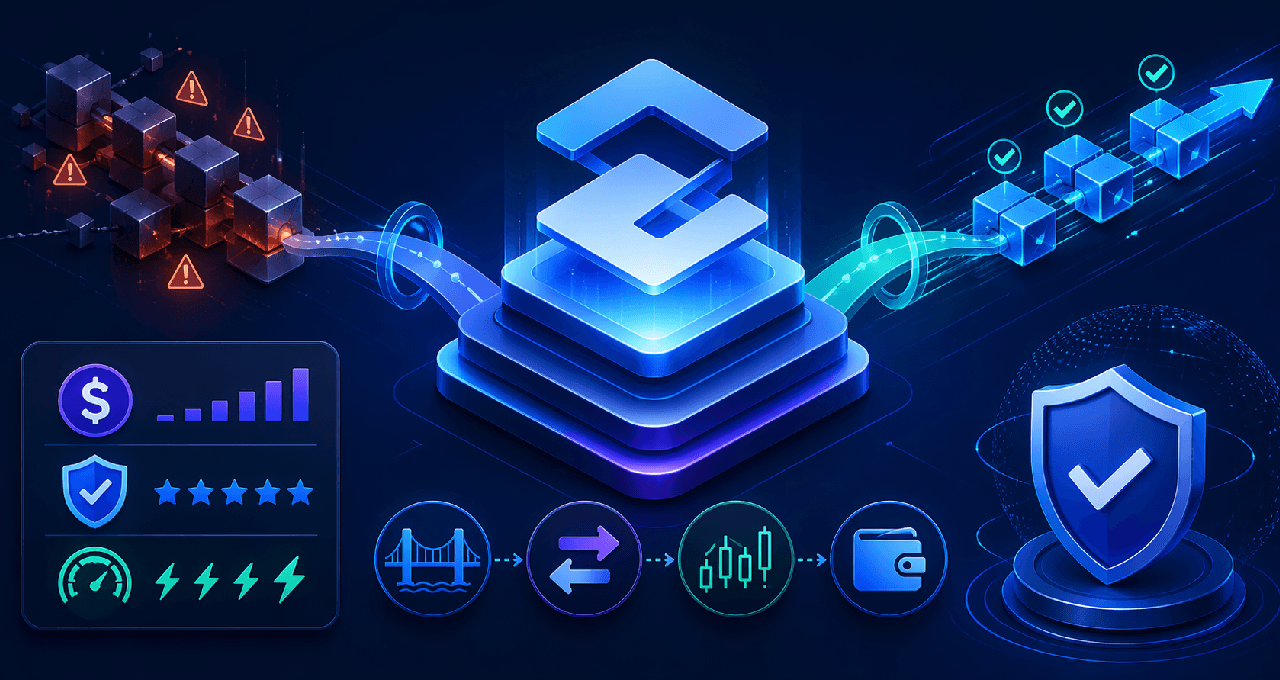
By 2026, Layer 2 networks have become your best friend in crypto. They move the busy work off the main Ethereum chain so you get way lower fees and faster transactions. You still stay connected to the strong security of the base layer.
The result? Cheaper swaps, smoother payments, and fun DeFi apps without breaking the bank. But if you are new, it can feel confusing with so many choices. This guide keeps everything simple and practical so you can start using Layer 2 today without the stress or mistakes.
Why Layer 2 Networks Exist
The main blockchain is built for rock-solid security, but it is not always great for cheap everyday trades. When lots of people swap tokens, buy NFTs, or use apps, fees skyrocket and everything slows down. Layer 2 fixes that by handling the action off-chain and settling back safely.
Network Layer | Common Strength | Common Limitation |
Base Layer | Strong settlement and security | Expensive or congested during busy times |
Layer 2 | Lower fees and higher speed | Adds a few extra steps to your workflow |
Bottom line: Layer 2 is no longer a fancy extra – it is now the normal way most people actually use crypto for real-life trading.
Layer 2 Is a Whole Category, Not One Single Thing
Do not assume every Layer 2 works exactly the same. They all aim to save you money and time, but they do it in different ways.
Type | Simple Description |
Optimistic Rollup | Assumes transactions are valid unless challenged |
ZK Rollup | Uses math proofs to prove batches are correct |
App-Specific Scaling | Built for one main use case like gaming or payments |
Choose based on what you actually do (swaps, payments, or experimenting) and how much you trust the setup – not just the hype.
How to Compare Fees the Smart Way
Yes, low fees are the big reason to use Layer 2, but do not pick one just because of a single cheap screenshot. Look at the full picture.
Comparison Factor | Why It Matters for You |
Swap Fee | Affects every trade you make |
Bridge Cost | What it costs to get money in and out |
Token Transfer Fee | Important for simple sends and payments |
Congestion Behavior | Fees can jump when the network gets busy |
Always think of the entire journey: moving funds in, trading, and moving them out later.
Security on Layer 2: What Beginners Really Need to Know
Many people think “it is connected to Ethereum so it is 100 percent safe.” Not quite. Security comes from the base layer plus extra parts that you should check.
Security Layer | Question You Should Ask |
Settlement Connection | How strongly does it rely on the main chain? |
Bridge Design | How safe is moving money in and out? |
Admin Controls | Can someone pause or upgrade things? |
Sequencer Role | Is there one company controlling too much? |
Layer 2 security is inherited strength plus some added risks. Always understand those extras.
The Best Comparison Framework
Here is a simple way to pick the right Layer 2 for you:
Factor | Why You Should Care as a Beginner |
Fees | Makes daily trading actually affordable |
Security Model | Keeps your money safe |
Ecosystem Depth | More apps and tokens available |
Liquidity | Easier swaps and faster exits |
Wallet Compatibility | How quickly you can start |
A slightly higher-fee network with great apps and easy exits often beats the absolute cheapest one with no liquidity.
Comparing Popular Layer 2 Tools in 2026 (Rated 0–5)
To make choosing even easier, here is my honest rating of the most common ones for beginner traders. 5 is best.
Layer 2 Tool | Fees (5 = cheapest) | Security (5 = strongest) | Beginner Friendliness (5 = easiest) | Overall for Daily Trading |
Arbitrum | 4.5 | 4 | 4.5 | 4.5 |
Optimism | 4 | 4 | 4 | 4 |
Base | 5 | 3.5 | 5 | 4.5 |
ZK Rollups (e.g. zkSync style) | 4.5 | 4.5 | 3.5 | 4 |
These ratings consider real-world 2026 performance for swaps, transfers, and simple use. Your perfect choice depends on what you trade most.
A Simple Daily Usage Workflow for Beginners
Do not just “jump on a Layer 2.” Follow these easy steps:
Pick the Layer 2 that matches your main app or token.
Check your wallet supports it.
Bridge a small test amount first.
Confirm the token works and the app is live.
Do one tiny transaction to make sure everything feels right.
Always know your exit plan before you put big money in.
This stops the most common newbie headaches.
Treat Bridges as Part of the Risk
Your money usually starts on the main chain, so the bridge is your first (and sometimes riskiest) step.
Bridge Issue | Why It Matters |
Wrong destination chain | Funds can get stuck or lost |
Using a weak third-party bridge | Extra trust you do not need |
Slow exits | You might not get your money out quickly |
Wrapped tokens confusion | Adds extra steps and possible mistakes |
Bridge smart and you remove a huge chunk of risk.
Easiest Daily Use Cases for Beginners
Start simple – you do not need complicated strategies:
Low-fee token swaps
Sending stablecoins for payments
Playing with DeFi apps
Moving small amounts cheaply
Testing new tokens without high costs
These are where you feel the fee savings immediately. Build confidence here first.
Smart Habits That Keep You Safe
Layer 2 feels easy once you know it, but a little caution saves money.
Safer Habit | Why It Helps You |
Always do a tiny test transaction | Catches mistakes before they cost much |
Double-check network and token names | Stops sending to the wrong place |
Manually type official URLs | Avoids fake sites and phishing |
Keep a small fee reserve | Never get stuck unable to move your funds |
Slow and steady beats rushing and regretting.
Final Thoughts
Layer 2 solutions in 2026 have made crypto usable for normal people. You get lower fees, faster action, and way more fun apps. The key for beginners is simple: treat it as a full workflow instead of just chasing the lowest fee. Understand the fees, the bridges, the security, and your exit plan.
Do that and you will trade smarter, avoid common traps, and actually enjoy your crypto journey. Start small, learn as you go, and you will be confident in no time.
FAQ
What is a Layer 2 in crypto?
It is a helper network built on top of the main blockchain to make transactions cheaper and faster while staying connected for safety.
Are all Layer 2s equally secure?
No. Security depends on the bridge, who controls upgrades, and how strongly it connects back to the main chain.
Why do Layer 2 fees matter so much?
They turn small everyday trades and swaps from expensive to practical – exactly what beginners need.
What is the biggest beginner mistake with Layer 2s?
Only looking at low fees and forgetting about bridges, liquidity, and how to safely get your money back out.
What is the best way to start using a Layer 2?
Use a wallet you already know, bridge a tiny test amount, check everything works, and keep your first trades simple.
Disclaimer: This content is for educational and informational purposes only and is not financial advice. Nothing here is a recommendation to buy or sell any asset or use any platform. Do your own research and manage your risk.
More Read
How to Safely Connect MetaMask to DApps: Step-by-Step Security Guide
Need deeper training?
Join our structured modules with live examples and expert checklists for effective implementation.
JOIN THE ACADEMY