Key Takeaways
For most UK users, the simplest route is to send crypto to a verified exchange that supports GBP, sell it for pounds, and withdraw by Faster Payments to a bank account in the same name.
Always confirm the token, network and deposit address before sending. A small test transfer can reduce the risk of choosing the wrong network or address.
Selling crypto for GBP is normally a disposal for UK tax purposes. Keep transaction histories, wallet records, fees and GBP values even when no tax is ultimately due.
The Basic Process, Step by Step
Cashing out crypto means converting a cryptoasset into pounds sterling and moving those pounds to a bank account. The process is usually straightforward, but the order matters because mistakes with networks, identity details or banking information can delay or permanently lose funds.
1. Choose a UK-accessible off-ramp. Use a centralised exchange or broker that accepts your crypto, provides a GBP market or conversion route, and supports withdrawals to UK bank accounts. Check its FCA register status, financial-promotion permissions, fees and current UK availability.
2. Complete account verification. Most platforms require identity checks before allowing meaningful fiat withdrawals. Your verified name should match the legal name on the receiving bank account.
3. Generate the correct deposit address. Select the exact cryptoasset and blockchain network. For example, USDT on Ethereum is different from USDT on Tron. Never assume that two addresses or networks are interchangeable.
4. Send a small test transaction. For a large balance or a new address, send a small amount first. Wait for it to arrive and become available before sending the remainder.
5. Sell or convert the crypto to GBP. Use a GBP trading pair when available. A market order prioritises speed, while a limit order lets you set a minimum acceptable price but may not fill immediately. Review the spread and trading fee.
6. Add your UK bank account. Enter the sort code, account number and account-holder details carefully. Use an account you control. Platforms commonly reject or review third-party withdrawals.
7. Withdraw pounds and save the records. Select Faster Payments or the available GBP method, review fees and limits, then confirm. Save the trade confirmation, withdrawal receipt, blockchain transaction hash and bank statement.
Comparing Your Main Options
Option | Best for | Main advantage | Main drawback | Typical checks |
Centralised exchange with GBP | Most beginners | Direct sale and bank withdrawal in one platform | Trading, spread and withdrawal fees | Identity, source of funds, bank-name match |
Crypto debit card or spending app | Regular small spending | Can spend without a separate bank withdrawal | Fees, limits and tax records may be less obvious | Identity, card eligibility, merchant rules |
OTC desk | Large transactions | Personal execution and reduced market impact | Higher minimums and enhanced due diligence | Source of wealth, wallet history, bank evidence |
P2P marketplace | Users with limited exchange banking routes | More payment-method flexibility | Counterparty, fraud and account-freeze risk | Escrow, identity and payment verification |
Option 1: Kraken and GBP Faster Payments
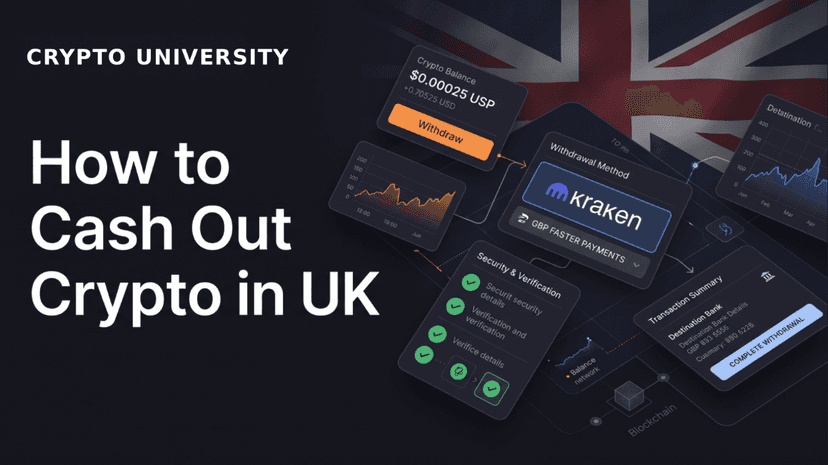
Kraken is one example of an exchange offering a GBP withdrawal route. Its current Banking Circle method supports GBP Faster Payments for eligible verified users with a UK address and a UK bank or financial institution. Kraken states that the bank account must be in the same legal name as the Kraken account. Withdrawals are processed through the user’s named account, while GBP SWIFT and CHAPS are not supported through this method.
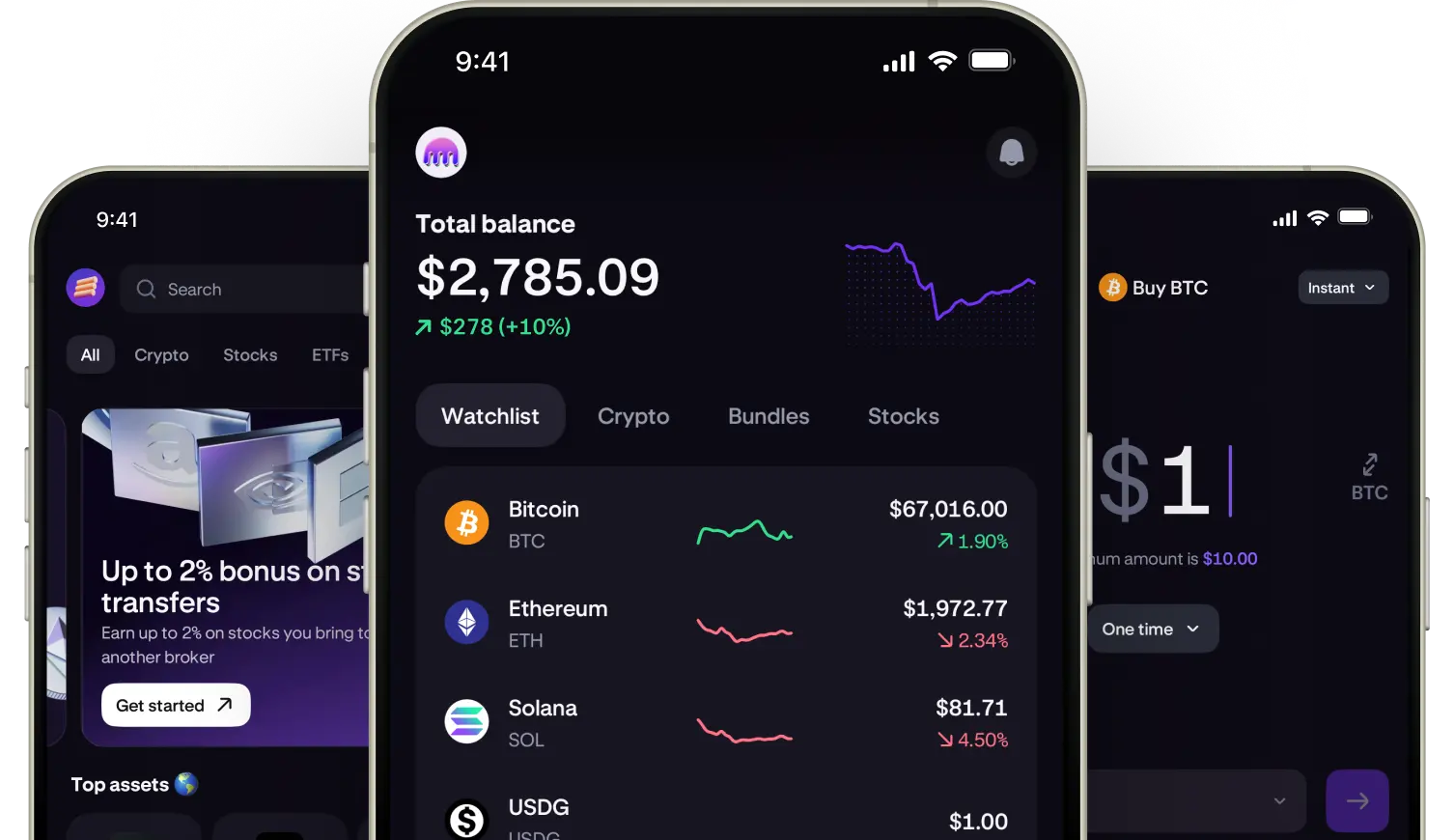
A typical Kraken flow is: Transfer → Withdraw → select GBP → choose the available cash withdrawal method → add or select your bank account → enter the amount → review → confirm.
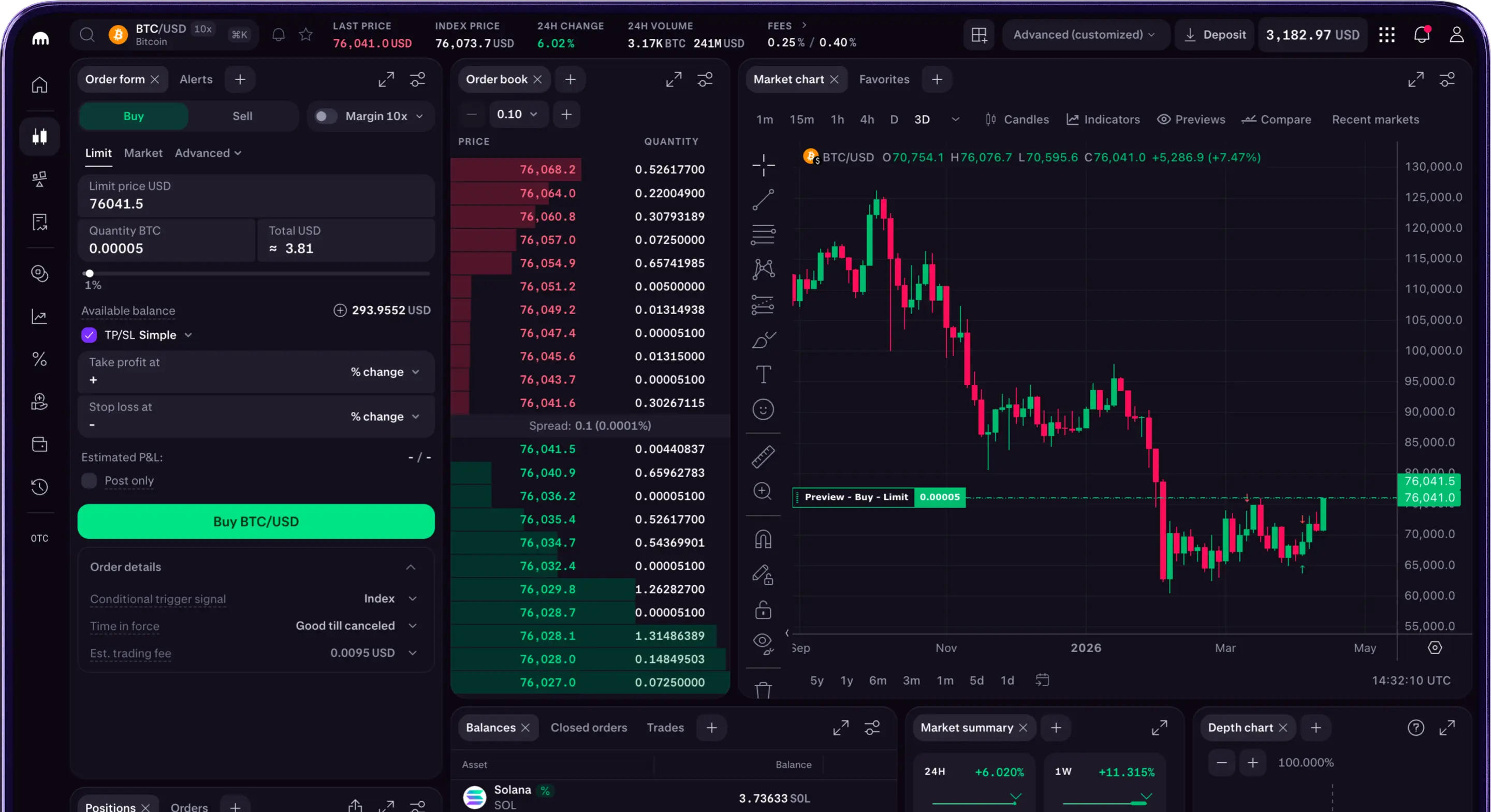
Faster Payments is designed for rapid domestic transfers, but “instant” should not be treated as guaranteed. Exchange reviews, bank compliance checks, weekends, bank holidays or incorrect details can cause delays. Kraken also warns that withdrawal information can change, so the live funding screen should be treated as the source of truth for fees, minimums and processing times.
Which Crypto Should You Send?
The best asset to send is usually the one that the receiving platform supports on the exact network you already use. Do not convert solely because a token sounds cheaper to transfer. The conversion itself may create another taxable disposal, introduce slippage, and add an extra opportunity for error.
Asset type | Potential benefit | Main risk | Practical rule |
BTC or ETH | Widely supported and liquid | Network fees can rise | Use only the network shown on the exchange deposit page |
Stablecoins | Less price movement during transfer | Multiple versions and networks create confusion | Match both token contract and network |
Smaller altcoins | May avoid a conversion before transfer | Limited GBP pairs and lower liquidity | Check deposit support and the exit market before sending |
Wrapped or bridged tokens | Useful within DeFi ecosystems | Often unsupported by centralised exchanges | Unwrap or bridge only through a verified route when necessary |
Before pressing send, confirm four items: the asset name, network, address and any memo or destination tag. If one item does not match, stop and recheck.
Cashing Out Large Amounts
Large withdrawals are less about clicking the withdraw button and more about preparing evidence. An exchange or bank may ask where the crypto came from and how you acquired the funds. This is normal anti-money-laundering and fraud-control activity, not proof that anything is wrong.
Prepare a clear source-of-funds file containing:
exchange purchase records and trade histories
wallet addresses and transaction hashes
evidence of salary, business income, investment capital or asset sale used to acquire the crypto
tax calculations or professional reports where relevant
an explanation of transfers between your own wallets
bank statements showing the original deposits and final withdrawal
Do not split a transaction into many smaller withdrawals merely to avoid checks. That pattern can itself attract scrutiny. Contact the exchange or your bank in advance when the amount is unusual for your account, and consider an OTC desk when execution size could materially move the market.
A quick overview of every confirmed MiCA-licensed consumer exchange on MICA tracker, followed by deeper detail on How to Cash Out Crypto.
A Word on P2P and OTC Desks
Peer-to-peer platforms connect buyers and sellers directly, often using escrow. They can provide payment flexibility, but the user carries more counterparty and banking risk. Avoid off-platform conversations, never release crypto before cleared funds are confirmed, and be cautious about payments from accounts that do not match the buyer’s verified identity. Fraudulent or disputed payments can lead to bank reviews or account restrictions.
OTC desks are designed for larger trades and usually provide a quoted price, settlement support and a named contact. They may reduce slippage, but legitimate desks will still conduct detailed identity, source-of-funds and wallet screening. Verify the desk independently and confirm the legal entity, settlement instructions and fees before transferring assets.
What About Taxes?
For most UK individuals, selling crypto for pounds is a disposal for Capital Gains Tax purposes. Exchanging one cryptoasset for another, spending crypto, or gifting it to someone other than a spouse or civil partner can also be disposals. The tax event is generally the disposal itself, not the later bank withdrawal.
For the 2026 to 2027 tax year, the individual annual exempt amount is £3,000. Individual Capital Gains Tax rates are generally 18% and 24%, depending on taxable income and gains. Your gain is usually the GBP value received minus allowable acquisition costs and transaction fees, using HMRC’s pooling rules. Same-day and 30-day matching rules can override the normal pooled-cost calculation.
Example: You sell crypto for £12,000. The allowable pooled cost and transaction fees are £7,500, giving a £4,500 gain. After a £3,000 annual exempt amount, £1,500 remains taxable, assuming the allowance is fully available and there are no other gains or losses. The applicable rate depends on your wider tax position.
From 1 January 2026, cryptoasset service providers may need additional identifying and tax-residency information under reporting rules. HMRC explains that this information can be used to link crypto activity to tax records and may be shared internationally. Keep your own records because exchange exports do not necessarily apply UK pooling, same-day or 30-day rules correctly.
The Bottom Line
The safest general process is simple: use a verified platform with a working GBP route, confirm the asset and network, test the address, sell to pounds, withdraw to a same-name UK bank account, and retain complete records. Kraken’s GBP Faster Payments route is one practical example, but it is not the only option and its live limits and fees should always be checked.
For larger amounts, preparation matters more than speed. Organised transaction histories, source-of-funds evidence and tax records can make exchange and bank reviews much easier. Avoid shortcuts that introduce unknown counterparties or hide the origin of funds.
Frequently Asked Questions
Can I cash out crypto directly to a UK bank account?
Usually, you first send the crypto to an exchange or broker, sell it for GBP, and then withdraw the pounds to your bank. Some services combine these steps.
How long does a GBP Faster Payments withdrawal take?
It may arrive quickly, but timing is not guaranteed. Exchange reviews, bank checks, incorrect details and holidays can cause delays.
Why was my crypto withdrawal or bank transfer reviewed?
Platforms and banks may review unusual amounts, wallet activity, sanctions exposure, fraud indicators or the source of funds. Provide accurate documents and a clear transaction history.
Do I pay tax only when pounds reach my bank?
No. The taxable disposal normally occurs when you sell, exchange, spend or otherwise dispose of the crypto, even if the pounds remain on the exchange.
Should I convert everything to a stablecoin before cashing out?
Not automatically. Converting creates another transaction, may be taxable and can add network or issuer risk. Use the simplest supported route that you understand.
Is P2P cashing out legal in the UK?
P2P trading is not automatically illegal, but it carries higher fraud, counterparty and banking risks. Use a compliant platform, escrow and verified counterparties.
What documents may be requested for a large cash-out?
Common requests include trade histories, wallet addresses, transaction hashes, bank statements, proof of original funds and an explanation of how the crypto was acquired.
Is Kraken FCA authorised like a bank?
An FCA cryptoasset registration relates mainly to anti-money-laundering compliance and does not provide the same protections as a bank account. The wider UK crypto authorisation regime is scheduled to take effect in October 2027.
Sources
Kraken, Cash withdrawal options: fees, minimums and processing times
HMRC, Check if you need to pay tax when you sell cryptoassets
HMRC, Information you need to give to UK cryptoasset service providers
Disclaimer: This content is for educational and informational purposes only and is not financial advice. Nothing here is a recommendation to buy or sell any asset or use any platform. Do your own research and manage your risk.
MiCA Explained: What the End of the EU Crypto Transition Period Means
Best Crypto Trading Competitions in 2026: OKX vs Bybit
How RugCheck Works: A Beginner's Guide to Checking Solana Tokens
Best Crypto Off-Ramps in the UAE: OKX, BitOasis and Fasset Compared