


Banks have been the most common place for people to save their money, although abusive policies and restrictions have made these financial institutions unreliable. Cryptocurrencies appeared as a decentralization alternative, in order to give complete power to investors over their money.
Think of a crypto wallet like a bank, except that you will have immediate access and control over your money. This concept has led many beginners to ask “What is a Crypto Wallet” and this article will give them the answer.
What is a Crypto Wallet?
Crypto wallets are software programs that allow you to save cryptocurrencies, make payments and exchange transactions. Crypto wallets are accessible 24/7 and you can use them through any device.
To have a crypto Wallet, users must download an official app or register in a crypto exchange platform. Transactions are sent to a receiver’s wallet address, which is a combination of numbers and letters in a specific format.
Types of Crypto Wallet
The first thing you have to know is what kind of wallet suits your needs the most, as there are different wallets with separate features and conditions.
Centralized wallets
Centralized wallets are the most similar thing to a “Crypto Bank”. The companies that offer the wallet service keep the private keys, not the user. This means that you will log in to your wallet through identity confirmation, and if you were to lose your password, you can recover access with your email or phone number. Exchange platforms are the perfect example for centralized wallets.
Hot-storage wallets
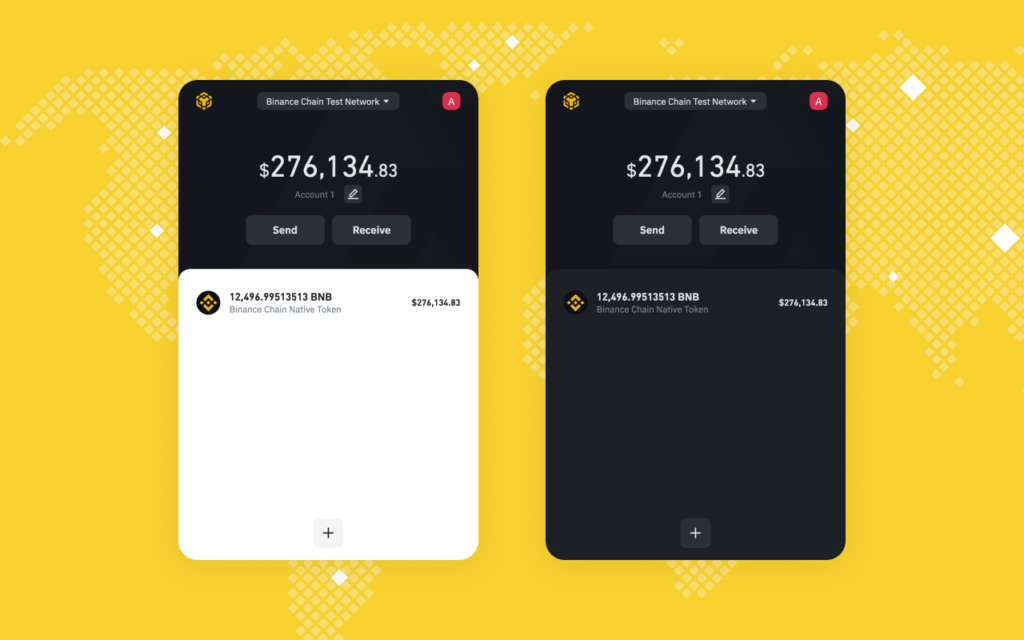
These are wallets that are alway connected to the internet, being known as “software wallets”. In some hot-storage wallets like Metamask, users will handle their own private keys. However, having your funds constantly online can be quite dangerous, as hackers will try to exploit any vulnerabilities they may find.
Decentralized wallets
With all decentralized wallets, users are in charge of their private keys, which means they have to be very careful of where they keep them. These wallets will allow you to do any basic transaction, as well as connect to DeFi, Pay2Earn and NFT platforms. Decentralized wallets can be software wallets and hardware wallets.
Cold-storage wallets
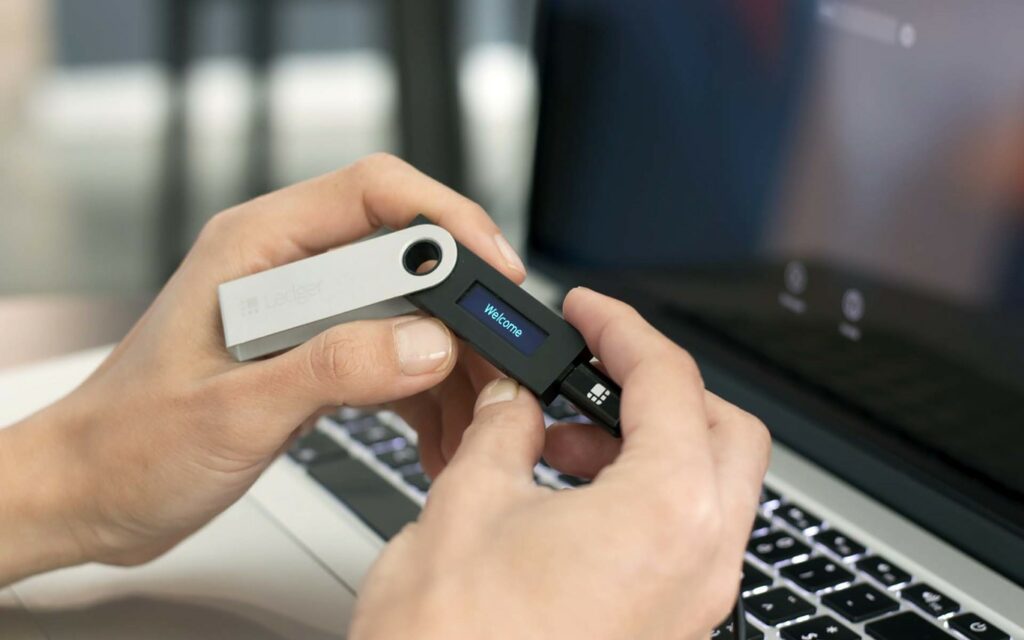
This is the safest way to store your crypto. Cold-storage wallets keep your tokens offline, so nobody will ever be able to access them from outside.
Hardware wallets are the protagonists of cold-storage, as the funds will not be available unless the user logs in. Trezor and Ledger are the most popular hardware wallets out there, although you have to be really careful not to lose the device.
In cases of lost devices, users can get back their funds with their private keys.
How to protect a Crypto Wallet?
The crypto-space can be quite cruel and hackers are always huntin for vulnerabilities, so have a few tips on how to protect a crypto wallet:
- Don’t share your passwords/private keys with anybody.
- Write down your private keys on a piece of paper, not in your phone/computer.
- Only download apps/extensions from the official website.
- Don’t connect your decentralized wallets to any suspicious sites.
- Avoid Phishing.
Being in complete control of your money also means you have to take precautions, so think about your goals and decide which type of wallet is better for you.