
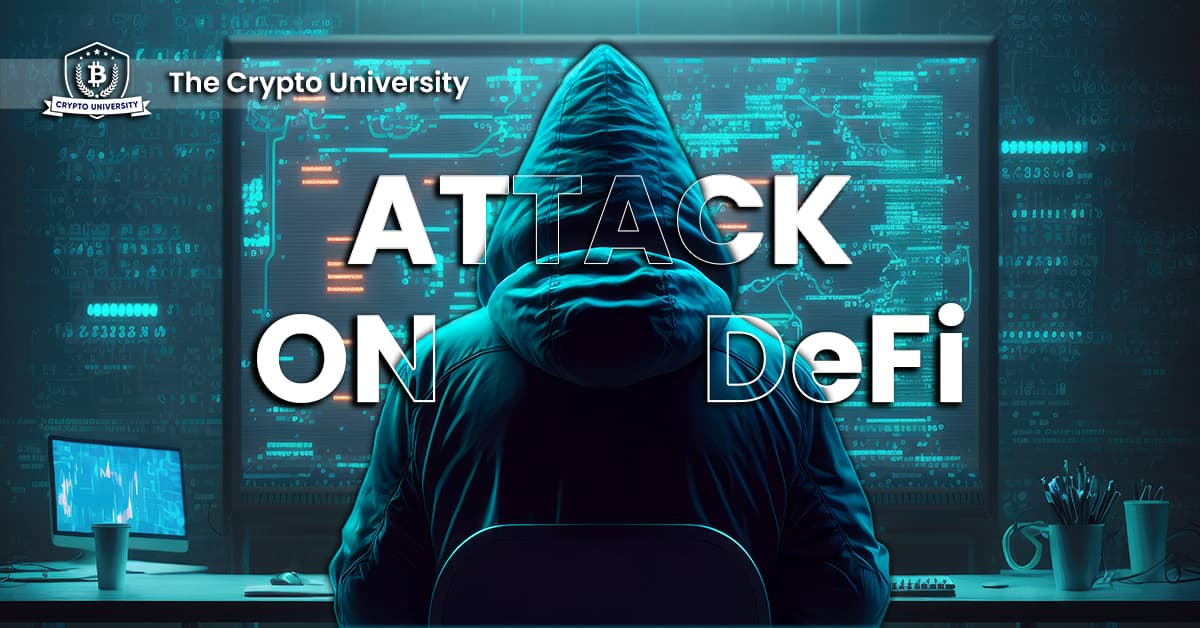
the increase in the adoption of cryptocurrency and DeFi around the world has raised concerns in the centralised system about the shift in financial power. Since 2021, various global Organisations have schemed to take control of the crypto space just as traditional finance.
Today we look at one of the most controversial claims made by IOSCO (International Organisation of Securities Commissions), as they draft "recommendations" for DeFi.
Disclaimer:
Nothing said in this article is financial advice, this is an expression of the Author's, and opinions, and you are required to "Do-your-own-research (DYOR)". The author will not be accountable for any proceeding from this article.
IOSCO ?
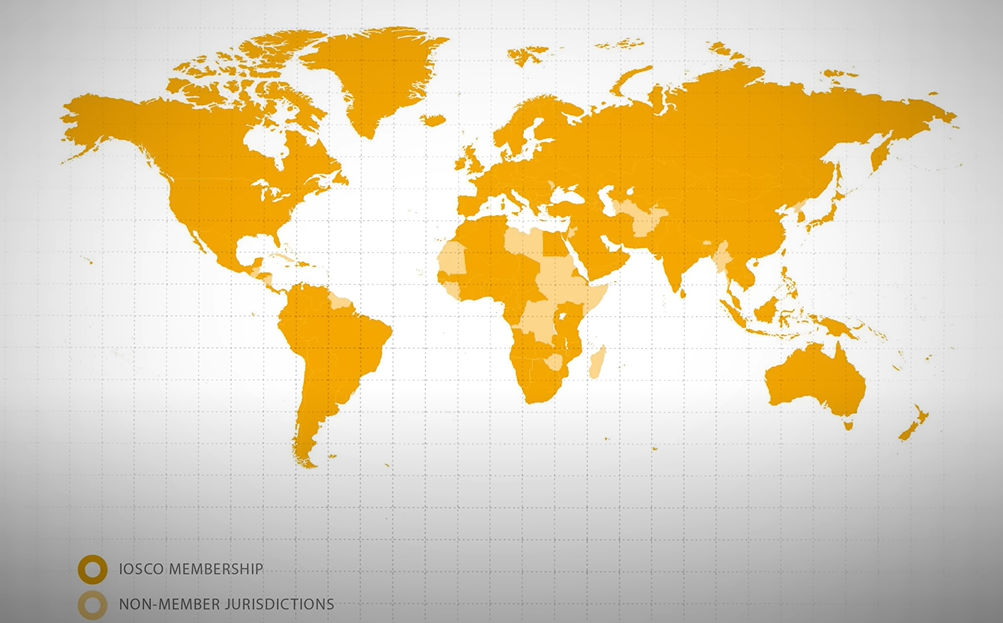
IOSCO stands for the International Organisation of Securities Commissions. It's a group that helps make rules and guidelines for how financial markets work around the world. They focus on making sure these markets are fair, transparent, and safe for people who invest in them. IOSCO brings together different countries' securities commissions to share ideas and set standards that help protect investors and keep markets stable.
What are "DeFi Recommendations"?
These are the changes that IOSCO is aiming to implement into the current DeFi space. We cover the basics of these recommendations to simplify your reading. A link to the full documentation is at the end of this article. The recommendations are as follows:
Analyse decentralized finance products and Services;
they advise regulators to analyse the location and technical structures (code) of existing Decentralized Service providers.
Identify Responsible persons;
here regulators are advised to search and identify people in the DEFI space with sizeable influence.
Standardise decentralized finance regulations at global level;
here, many reasons relating to security, user-freindliness and national monitring are given to support this recommendation.
Identify conflicts of Interest in decentralized finance;
this recommendation is about ensuring all DEfi service providers align to accomplish the same approved goals or interests by regulators.
Identify and Address Risks in decentralized finance
this recommendation handles the concerns of the risks to users of decentralized finance services and potential dangers.
Providing clear and accurate disclosures;
this recommendation recquires defi service providers to share independent operational information with regulators.
Enforce applicable laws on decentralized finance
the purpose of this recommendation is due to regulators believing DEFI protocols evade regulation.
Regulators to share Information about decentralized finance
this recommendation is to ensure that all regulators share the information discovered from the decentralized finance service providers in their regions
read the full documentation from IOSCO here!
Conclusion.
Depending on where you stand in the crypto market, these regulations affect the usability of crypto in one way or another. To get a deeper, timely and productive insights on what happens in crypto as a whole, join us at Crypto University, start your journey with us.