
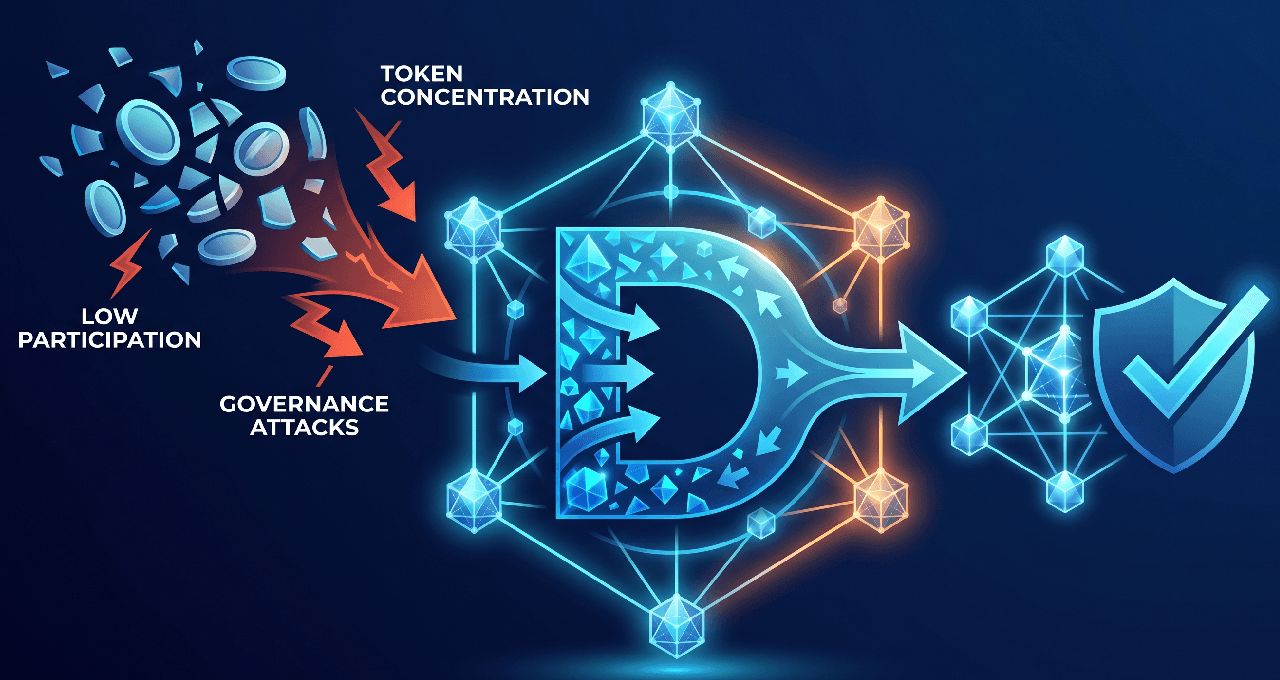
What Is a DAO? Governance Models, Voting Mechanisms, and Their Real-World Limitations
Learn what a DAO is, how on-chain and off-chain voting works, the problems with token-weighted governance, quorum attacks, and lessons from major DAO failures.
Crypto University • 21 April 2026
 No Adverts are available
Key Takeaways
Choose stablecoins based on their structure, reserves, and redemption — not just how popular the name is.
Different jobs (trading, payments, DeFi, or parking cash) need different stablecoins.
Regulation, chain choice, and real-world usability now matter just as much as the brand.
If you are new to crypto trading, stablecoins probably look like the easy part — just digital dollars that don’t jump around in price. But here’s the truth: choosing the right one in 2026 is more important than ever.
It’s not about grabbing the most popular ticker you see everywhere. It’s about understanding a few simple things like how the stablecoin is backed, who runs it, how easy it is to get your money out, and what you actually plan to use it for.
This guide breaks everything down in plain English so you can make smarter choices whether you are trading, sending payments, or just parking cash.
Why you should compare stablecoins by how they are built — not just how popular they are
This is the biggest lesson for beginners. Popularity does not always mean it is the best fit for you.
Stablecoin feature | Why it matters for you |
Reserve backing | Determines how much you can trust it will stay stable |
Issuer structure | Shapes how reliable and legal the whole thing is |
Redemption design | Affects how easily you can cash out when you need to |
Chain support | Affects how smoothly you can use it on different blockchains |
Market liquidity | Affects how fast and cheap your trades or transfers will be |
A super popular stablecoin can still have hidden weaknesses. A smaller one might actually be cleaner in some areas. Always start with the structure, not the hype.
Reserve quality is one of the most important things to check
If a stablecoin is supposed to hold steady like the US dollar, the stuff behind it really matters.
Reserve question | Why you should ask it |
What assets actually back the token? | Determines how strong and believable the stability is |
Are the reserves liquid (easy to sell quickly)? | Helps it survive stressful times without breaking |
Are the disclosures clear and honest? | Lets you actually judge if you can trust it |
Is there an independent review or audit? | Adds real accountability so you are not just taking their word |
Don’t wait for a problem to appear before you care about reserves. Check this first.
Regulation matters more than ever for everyday users
Stablecoins are now under real government watch, and that affects you directly.
Regulatory factor | Why it matters |
Where the issuer is based | Affects how much official oversight there is |
Compliance standards | Influences how much platforms trust and support it |
Audit or attestation rules | Makes transparency easier to check |
Payment stablecoin rules | Shapes how it can be used long-term |
Stronger rules can give you more confidence, even if they don’t remove every risk.
Redemption credibility beats fancy branding every time
How well can you actually get your money back when things get shaky?
Redemption issue | Why it matters |
Who is allowed to redeem directly? | Affects how reliable the exit is |
How fast can you cash out? | Time really counts during panic |
Is the process clear and open? | You need to know exactly what is happening |
Does it hold up under pressure? | This is where trust gets truly tested |
A stablecoin that looks perfect on a calm day might behave very differently when everyone rushes for the exit.
Different stablecoins are built for different jobs
There is no single “best” stablecoin for everything.
Use case | What usually matters most |
Exchange trading | High liquidity and wide support |
DeFi collateral | Strong protocol support and solid structure |
Cross-border payments | Clear settlement and good chain availability |
Treasury or parked cash | Top reserve quality, issuer trust, and redemption reliability |
Pick the tool that matches the job you need it for.
Chain availability is way more important than most beginners realise
It is not just about the issuer — it is also about where the token actually lives.
Chain question | Why it matters |
Is it available natively on the chain you use? | Cuts down extra risk |
Is it bridged or wrapped? | Adds extra trust layers you have to watch |
Is the liquidity deep on that chain? | Means less slippage and smoother use |
Native is almost always safer and simpler than a bridged version.
Stablecoin risk still exists even when the price looks steady
Stablecoins remove wild price swings, but they do not remove every risk.
Stablecoin risk type | Example |
Issuer risk | Problems with the company, banks, or laws |
Reserve risk | Weak or unclear backing |
Depeg risk | Price drifts away from $1 (even temporarily) |
Smart contract risk | Bug in the code on the blockchain |
Bridge risk | Failure when moving between chains |
Price stability does not equal zero risk.
Practical selection checklist you can use right now
You do not need to be an expert. Just run through these steps:
Be clear about what you want to use the stablecoin for
Check the reserve structure and how well it is reviewed
Understand who the issuer is and how trustworthy they seem
Make sure you are using the native version (not a bridged one)
Look at liquidity and support on your favourite platforms
Consider the regulatory situation around the issuer
Quick rating of each major factor (0–5 for beginner importance)
Factor | Rating (0-5) | Quick reason for beginners |
Reserve quality | 5 | This is your money’s foundation — check it first |
Redemption credibility | 5 | You need to know you can get out safely |
Structure & issuer | 5 | The backbone of trust |
Regulation | 4 | Gives extra peace of mind and platform support |
Chain availability | 4 | Affects daily ease and safety |
Liquidity | 4 | Makes trading and sending cheaper and faster |
Use-case fit | 5 | The right tool for the right job |
Final Thoughts
In 2026, all dollar-pegged stablecoins are not the same. Some are built stronger, some are easier to use in certain situations, and some carry more hidden risks.
As a beginner, you do not need to memorise every detail. You just need to ask the right questions and match the stablecoin to what you actually want to do. Once you start thinking this way, choosing a stablecoin becomes way less stressful and a lot smarter.
FAQ
What matters most when choosing a stablecoin?
Reserve quality, issuer trust, how easy it is to cash out, and real-world liquidity are the top things to look at.
Are all stablecoins basically the same?
No. They differ a lot in backing, rules, chains they live on, and what they are best used for.
Why does the blockchain (chain) you use matter?
A native stablecoin and a bridged version of the same coin can carry different risks and fees.
Is a regulated stablecoin always safer?
Not automatically, but good regulation usually adds clarity, audits, and platform support.
What is the best stablecoin for beginners?
There is no one-size-fits-all answer. It depends on whether you are trading, sending money, using DeFi, or holding cash long-term. Use the checklist above and match it to your needs.
Ream More
Bitcoin vs Stablecoins: Simple Guide for Beginner Traders
Understanding Stablecoins: Types, How They Work, and Their Role in Crypto Liquidity
Share Posts
Copy Link
cryptouniversity.networkblog/stable...
Learn what a DAO is, how on-chain and off-chain voting works, the problems with token-weighted governance, quorum attacks, and lessons from major DAO failures.
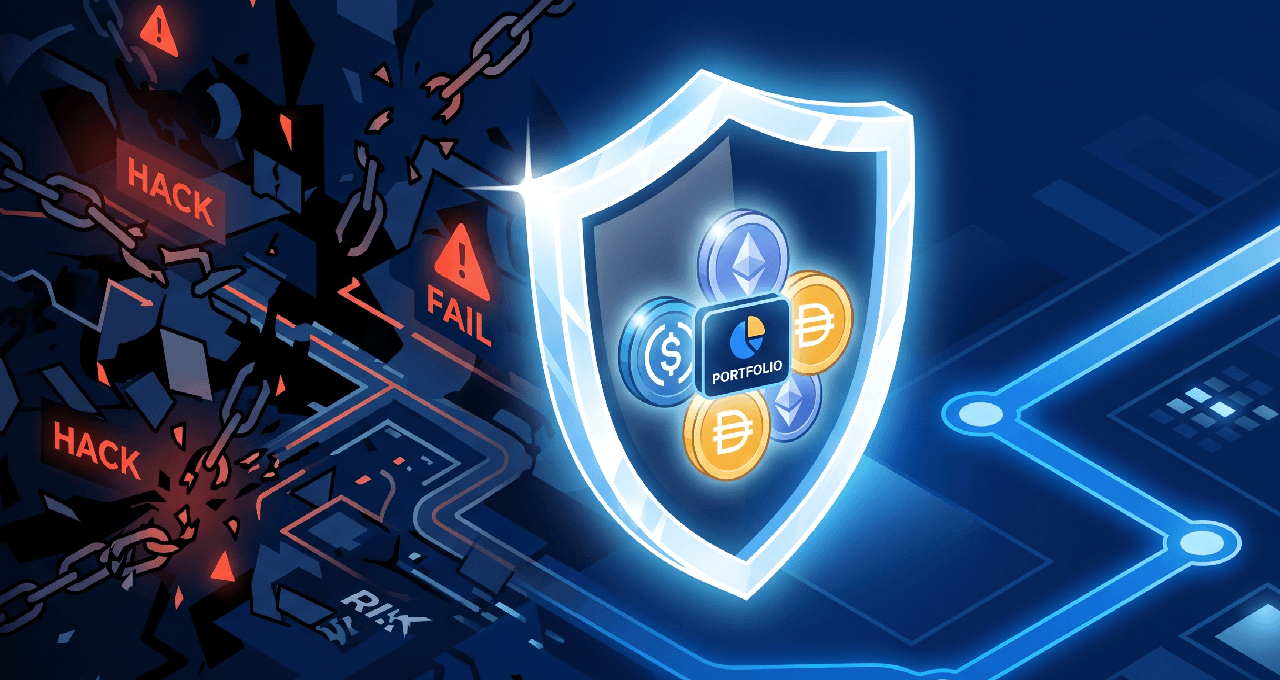
A practical framework for managing DeFi risk. Learn how to evaluate smart contract risk, spot rug pulls, size positions, and use DeFi insurance protocols.

Learn how crypto cross-chain bridges work, the difference between lock-and-mint and liquidity pool bridges, major exploits, and safer alternatives to bridging.