
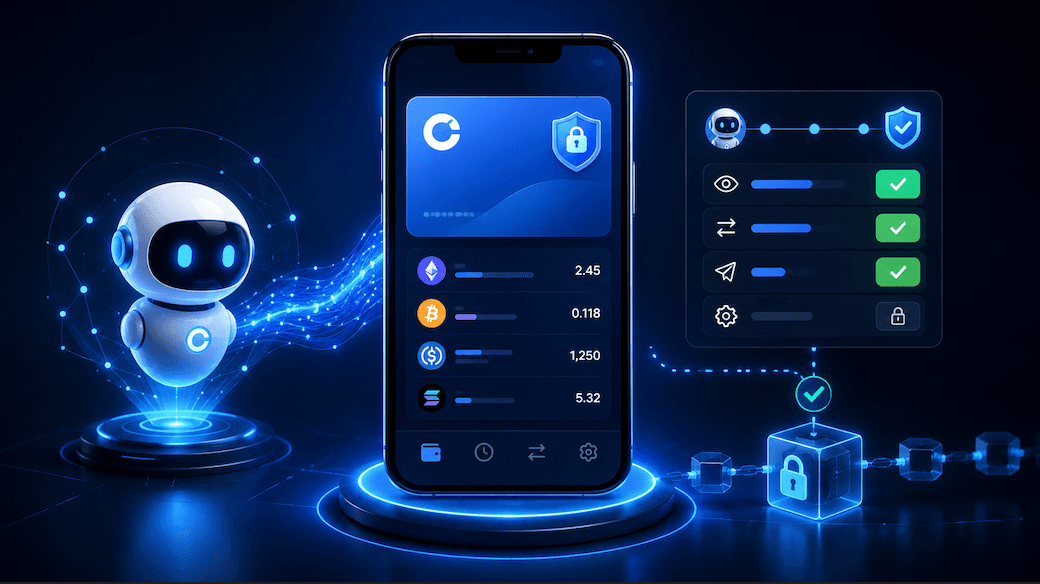
Coinbase AgentKit & Agentic Wallets: A Complete Beginner's Guide
Learn what Coinbase AgentKit and Agentic Wallets are, how they work, how to set one up, and how to stay safe when giving an AI agent a crypto wallet.
Crypto University • 15 April 2026
 No Adverts are available
KEY TAKEAWAYS
The exploit only hit the bridged version of DOT on Ethereum. Native Polkadot was never compromised.
The root cause was a forged message that tricked the bridge into minting fake tokens. Bridge verification is the real weak point.
Always treat bridged assets differently from native ones and check the bridge’s security on its own. A safe chain does not mean a safe bridge.
What Happened with the Polkadot Bridged Token Mint and Key Lessons for Bridge Users
Cross-chain bridges let you move your crypto between different blockchains, but they can also be one of the weakest parts of the whole system. That point hit home again with the recent Hyperbridge exploit on Ethereum.
A forged message attack let someone create roughly 1 billion fake bridged DOT tokens and walk away with about 237,000 dollars in real profit.
If you are just starting out in trading, headlines like this can feel scary and confusing. You probably saw the words Polkadot, Ethereum, and bridged DOT and thought the actual Polkadot blockchain got hacked. That did not happen at all.
This guide breaks everything down in plain English so you can understand exactly what went wrong, why native Polkadot stayed safe, and the practical lessons you can use right now as a beginner trader.
THE EXPLOIT TARGETED A BRIDGED ASSET SYSTEM, NOT THE NATIVE POLKADOT CHAIN
This is the biggest and most important point of the whole story.
System | What it represents | Was it the core affected layer? |
Native DOT on Polkadot | Original asset on its home chain | No |
Bridged DOT on Ethereum | Representation created through the bridge | Yes |
Ethereum network itself | Host environment for the bridged token | No |
A bridged token is not the real DOT. It is a copy created by the bridge. When you move assets across chains, you are trusting the bridge to check deposits and messages correctly. If the bridge fails, the copy on the other side can break even when the original chain is perfectly fine.
That is why it matters so much that native Polkadot was not touched. The home chain kept working exactly as it should.
THE REPORTED CORE FAILURE WAS A FORGED MESSAGE ATTACK
Bridges work by sending messages between chains that say things like “a deposit just happened.”
In this case, the attacker forged a fake message. The bridge believed it was real and minted a huge amount of bridged DOT on Ethereum that was never backed by actual tokens. The attacker then swapped some of it and took home around 237,000 dollars before the team could stop the damage.
The simple lesson: bridges are only as strong as their message-checking system. If someone can trick that system, the whole bridge can create fake tokens out of thin air.
A LARGE FAKE MINT DOES NOT ALWAYS EQUAL A LARGE REALIZED PROFIT
Metric | Reported scale |
Fake bridged DOT minted | Around 1 billion |
Estimated attacker extraction | Around 237,000 dollars |
Seeing “1 billion” sounds terrifying, but the attacker could not cash out the full amount. Low liquidity, fast detection, and market panic limited the real damage. Beginners often focus only on the biggest number in the headline. The fake supply shows how the bridge broke. The actual profit shows how much value really left the system.
BRIDGE FAILURES OFTEN COME FROM TRUST ASSUMPTIONS OUTSIDE THE BASE CHAIN
Layer | Typical risk |
Base chain | Consensus and protocol security |
Bridge layer | Message verification, custody, minting logic |
Wrapped token contracts | Supply and redemption assumptions |
Front-end and integrations | Operational and interface risk |
A strong blockchain does not automatically mean its bridge is strong. This exploit happened in the extra layer that sits on top of Polkadot, not inside Polkadot itself. Always judge the bridge separately.
NATIVE POLKADOT BEING UNAFFECTED DOES NOT MEAN THE STORY IS UNIMPORTANT
Even though the main Polkadot chain was safe, the incident still affects regular traders because it shakes confidence in any bridged version of DOT, can create price wobbles, and shows how third-party tools can hurt the whole ecosystem’s reputation.
BRIDGED TOKENS ARE NOT SIMPLY THE SAME ASSET ON ANOTHER CHAIN
Asset form | Security assumption |
Native asset | Depends on home-chain rules and custody model |
Bridged asset | Depends on bridge mechanism and mint-redeem integrity |
A bridged token carries the name “DOT” but adds a whole new set of risks from the bridge. Treat it as an asset-plus-infrastructure product, not a simple copy.
BRIDGE USERS NEED A MORE DISCIPLINED RISK CHECKLIST
Before you bridge anything, quickly run through these questions:
Question | Why it matters |
Is the bridge widely used and audited? | Maturity and extra eyes reduce risk |
How are messages verified? | This is usually the weakest and most attacked part |
Is the bridged asset redeemable cleanly? | You need a clear way to get your real tokens back |
How much value is locked? | Bigger pools attract bigger attacks |
What is the emergency response process? | Fast team action can limit damage |
You do not need to be a developer. Just asking these five questions already puts you ahead of most beginners.
THE INCIDENT IS ANOTHER REMINDER THAT CONVENIENCE OFTEN INCREASES ATTACK SURFACE
Bridges solve real problems by letting you move money easily, but every extra piece of code, relayer, and verification step creates another place where things can go wrong. Use them when you need them, but never treat them as risk-free plumbing.
FINAL THOUGHTS
The Hyperbridge exploit is a clear case study in how fast confusion spreads when a bridge fails. The clean takeaway for every beginner trader is this: native Polkadot stayed safe. The weakness lived in the bridge on Ethereum.
Bridged tokens are the original asset plus the bridge’s rules. Keep that one idea in your head and you will already trade cross-chain markets more safely than many others.
The exploit exposed a serious flaw in the core message verification. While the project may fix it, the incident shows that the trust layer still needs serious strengthening before it feels reliable for everyday use.
PROS AND CONS OF HYPERBRIDGE
Pros
Makes it possible to move value between the Polkadot and Ethereum ecosystems
Supports bridged representations that can be used in DeFi on the destination chain
Aims to solve real cross-chain liquidity problems
Cons
Vulnerable to forged message attacks, as this incident proved
Adds an extra trust layer that can fail even when the native chain stays secure
Creates confusion and reputational risk for the entire Polkadot community when something goes wrong
FAQ
Was native Polkadot hacked in the Hyperbridge exploit?
No. Only the bridged representation on Ethereum was affected.
What is a forged message attack?
It is when the system accepts a fake message as if it were real, which can trigger actions like minting tokens that were never properly backed.
Why was the fake mint so large but the profit much smaller?
Liquidity, quick detection, and market reaction make it impossible to cash out the entire fake supply.
Are bridged assets riskier than native assets?
Yes. They add another layer of infrastructure and trust that can break.
What should beginners check before using a bridge?
Audit history, message verification method, redemption process, locked value, and the team’s emergency response plan.
Disclaimer: This content is for educational and informational purposes only and is not financial advice. Nothing here is a recommendation to buy or sell any asset or use any platform. Do your own research and manage your risk.
Share Posts
Copy Link
cryptouniversity.networkblog/hyperb...
Learn what Coinbase AgentKit and Agentic Wallets are, how they work, how to set one up, and how to stay safe when giving an AI agent a crypto wallet.
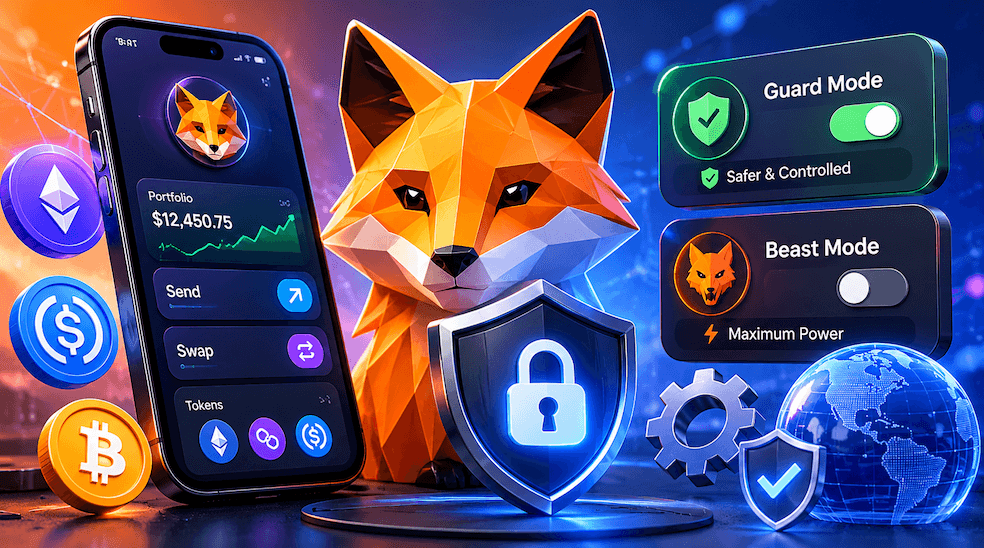
New to MetaMask Agent Wallet? This step-by-step beginner guide explains what it is, how it works, Guard Mode vs Beast Mode, and how to stay in control.
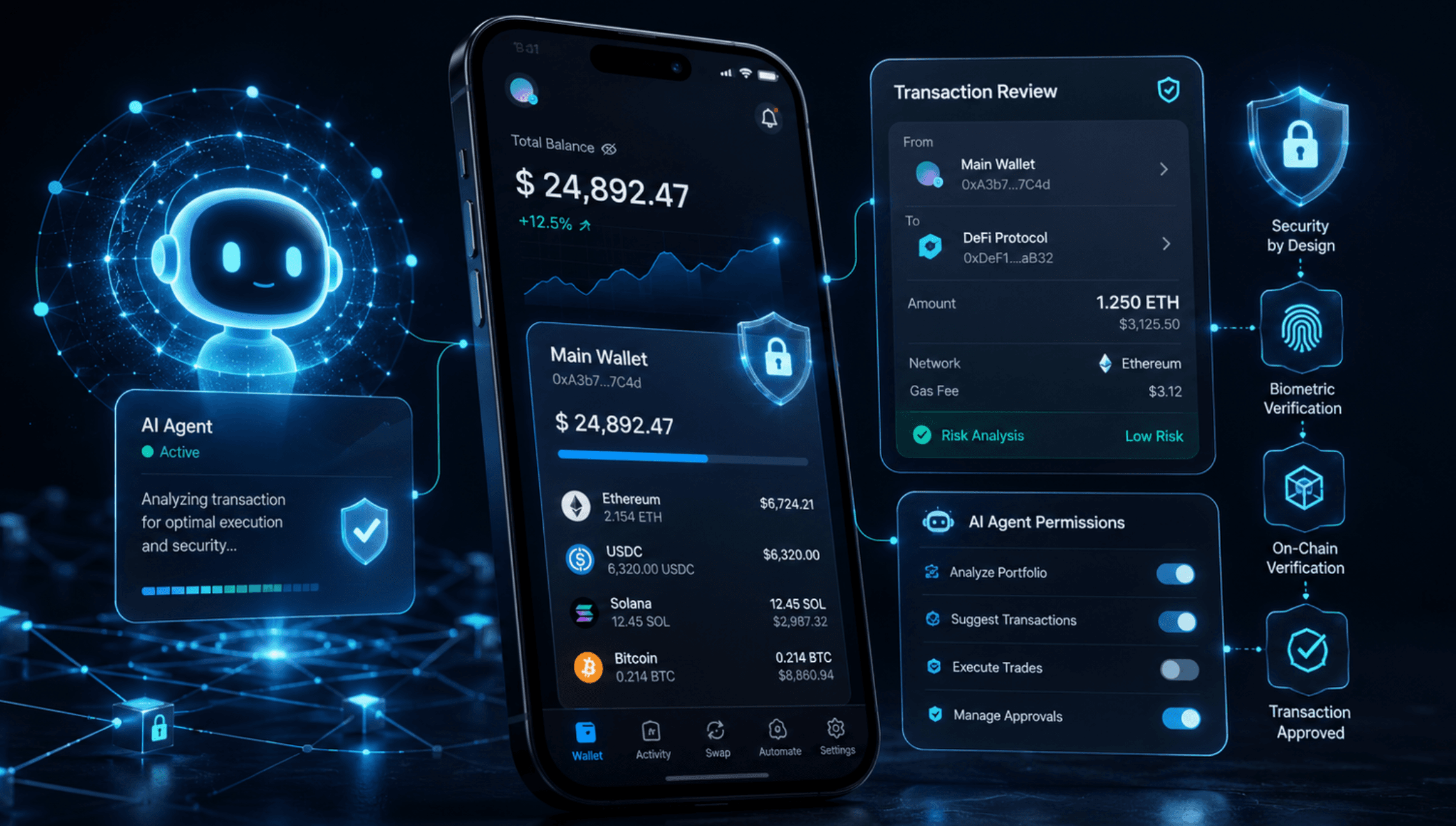
Learn how AI agents interact with crypto wallets, how autonomous transactions work via smart contracts, and what security risks users should understand in 2026.